

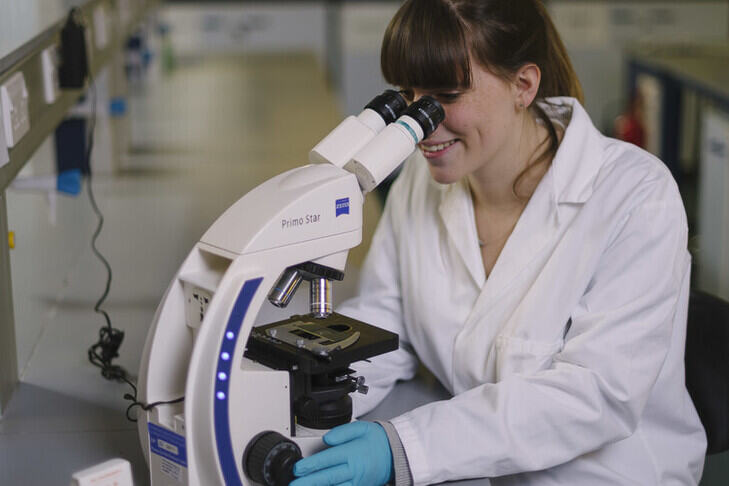
The University of Exeter is a research-intensive university, and the Department of Earth and Environmental Science is no exception to this. As a student in EES you will learn about current research findings and about how to do research effectively. You will also have the opportunity to be part of this research through your studies and extra-curricular activities.
Whether you’re about to start an undergraduate or postgraduate course with us, any new programme of study will require new types of reading and research.
As EES students, we expect you to have a critical eye about what you read. Not all information is created equal: some is more reliable than others. This can be due to the quality or ‘rigour’ of the underlying research and the ‘peer review’ process (which describes how closely other people check completed research). Critical thinking is an important skill and one that we will help you develop through your degree. For example, consider the importance of recognising reliable information about climate change and the pandemic.
Most of you will have grown up taking for granted that information is at your fingertips via the internet. We can get answers to many of our questions within seconds, but the biggest challenge is navigating the multiple voices and resources to reach reliable and relevant data and analysis.
When teaching you how to evaluate sources of information, ideas and data (whether academic or not), we’ll often recommend that you run through the ‘who, what, why, when, where and how’ questions. Ultimately, you should never take anything at face value - in other words, be a ‘critical reader’. This is your first step in achieving the highest grades in your academic work!
As you become more confident with using our library resources, both on campus and online, you’ll realise that the most valuable texts and databases to support your academic work are not found using Google, but through proficient use of library searches and, increasingly, the use of scientific journals.
Share with us in the Forum below where you like to get your information from! To post, simply click 'REPLY.'